
Lens distort
Last updated
Lens distort is a Distortion effect.
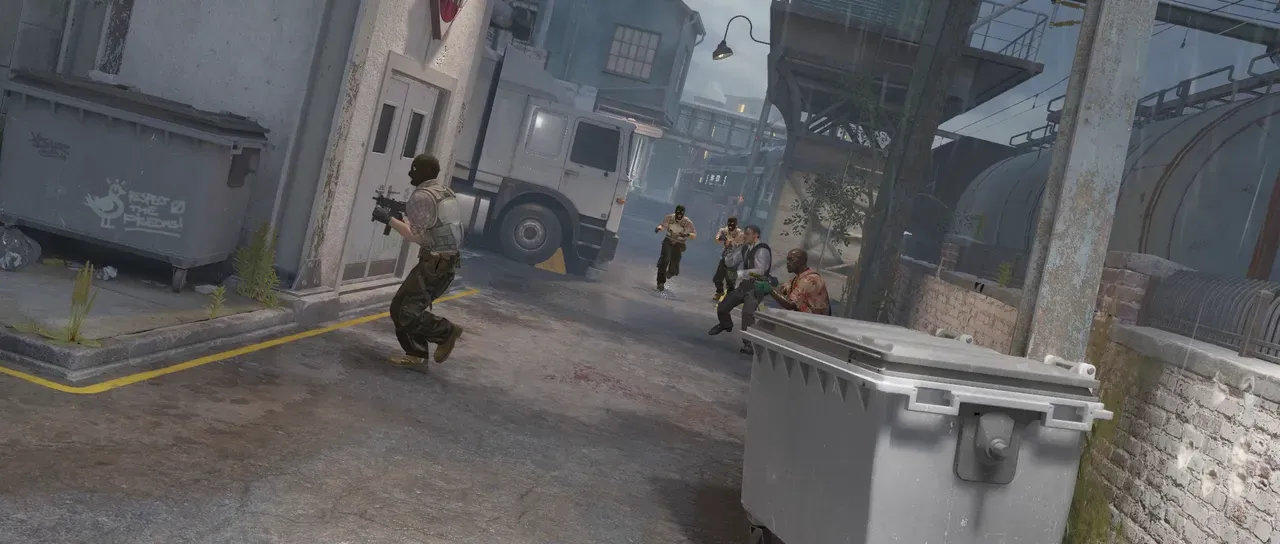
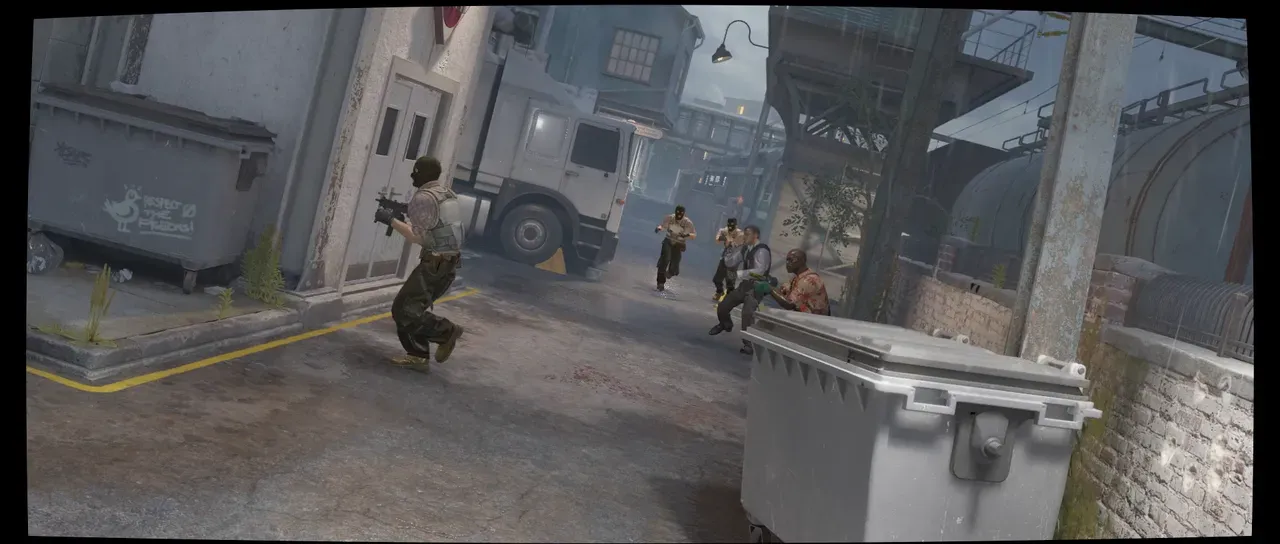
What it does
Section titled “What it does”Bends the edges of a layer, supporting both concave and convex warping.
Parameters
Section titled “Parameters”| Parameter | Control | Range | Default | Unit |
|---|---|---|---|---|
| Field of view | Slider | 0 to 160; up to 179 | 40 | Degrees |
| Reverse | Checkbox | On or off | Off | - |
| Orientation | Dropdown | Horizontal · Vertical · Diagonal | Horizontal | - |
| Centre X | Slider | 0 to 3840; any value by typing | 960 | Pixels at composition size |
| Centre Y | Slider | 0 to 2160; any value by typing | 540 | Pixels at composition size |
| Edges | Dropdown | Transparent · Repeat · Mirror | Transparent | - |
| Mix | Slider | 0 to 100 | 100 | Per cent |
| Blend | Dropdown | Normal · Darken · Multiply · Colour burn · Linear burn · Darker colour · Add · Lighten · Screen · Colour dodge · Lighter colour · Overlay · Soft light · Hard light · Linear light · Vivid light · Pin light · Hard mix · Difference · Exclusion · Subtract · Divide · Hue · Saturation · Colour · Luminosity | Normal | - |
| Matte | Layer | Any layer in the composition | None | - |
| Invert | Checkbox | On or off | Off | - |
| Channel | Dropdown | Luminance · Alpha · Red · Green · Blue | Luminance | - |
In the Effect Controls panel:
- Matte scales the distortion per pixel, read where the pixel lands: white bends at the full Field of view, grey less, black not at all. Invert reads that matte inverted.
What each control does
Section titled “What each control does”- Field of view changes how wide the lens is.
- Reverse, when off, adds the bow. On, it removes the bow instead, giving a pincushion effect.
- Orientation picks which side of the frame the angle spans.
- Centre X and Centre Y place the optical centre to bend around.
- Edges adjusts what to fill resulting transparent pixels with. Transparent is the default. Repeat smears the border pixel outward. Mirror folds the picture back on itself.
- Mix: how much of the result replaces the original.
- Matte and Invert drive the strength of the effect from another layer’s brightness; see Effects.